The journal
When the Instrument Is the Lie: Why Dashboards Cannot Replace Judgment
Buncefield, Milford Haven and Texas City all share one detail boards forget: the reading itself was wrong. A dashboard culture assumes the gauge tells the truth.
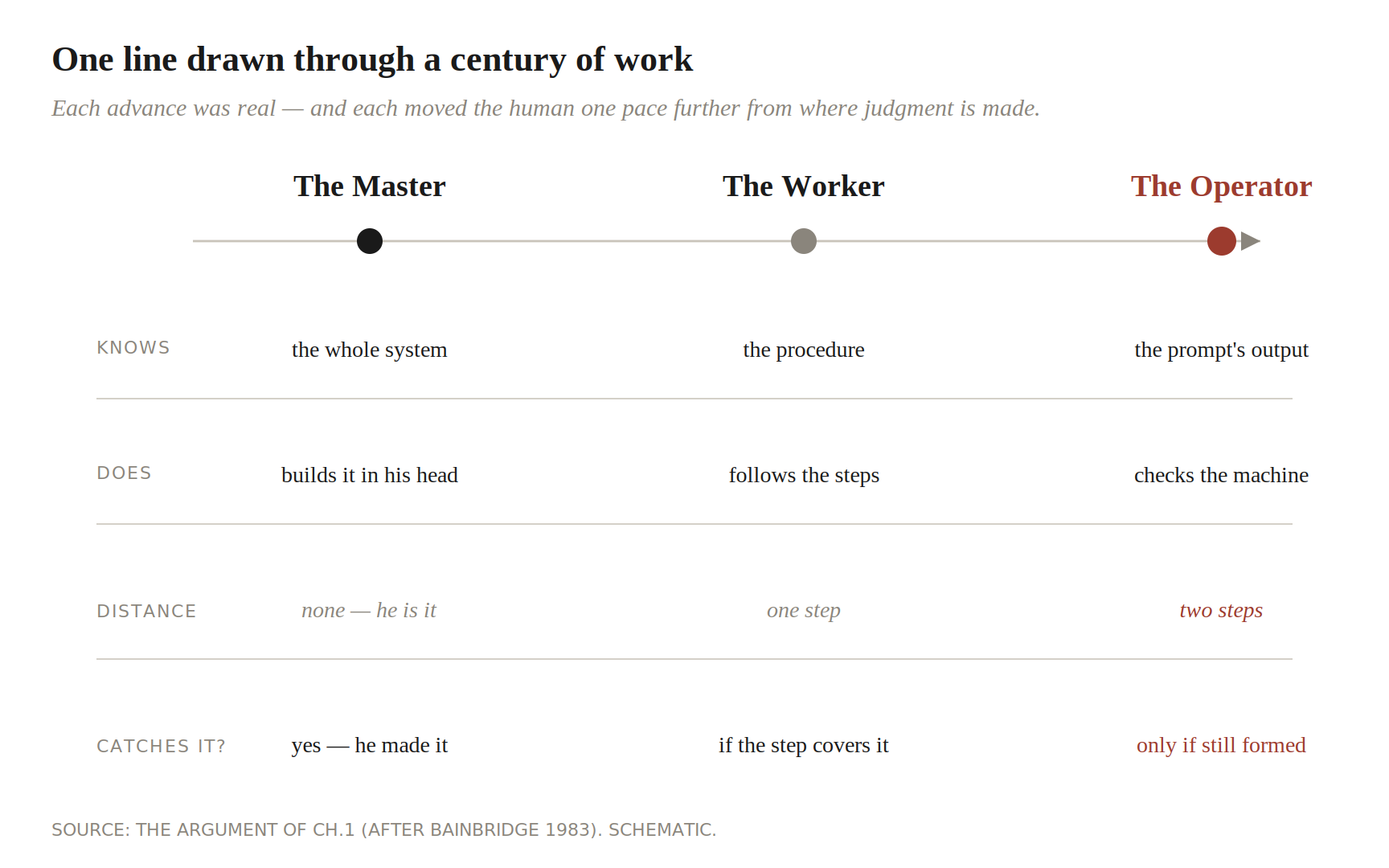
Three of the best-documented industrial disasters — Buncefield, Milford Haven and Texas City — share a detail that rarely reaches the boardroom: in each case, the instrument reading itself was the lie. A tank gauge that flatlined. A level rising unchecked. A gauge that had stuck 14 times before, without anyone investigating why. Our book's case note on these events (ch.1, "Shut It Down") is the record to cite the next time a board is told the dashboard is enough. What that claim gets right is that instruments fail. What it leaves out is the deeper point: an instrument cannot tell you it is failing. Only a human who has formed judgment about how the system should behave — and who is authorized to shut it down when it doesn't — can catch the lie. That is cognitive risk in its purest form, and no amount of telemetry spending retires it. The question for any board is not "do we have the data?" but "who among us can tell when the data is wrong, and what happens when they do?"
The list
Entries arrive weekly. Leave an address and they come to you, along with the publication date when there is one.